Do Free Zones Really Work?
Free zones are designed to attract foreign investment. But how much of that investment actually reaches the local economy?
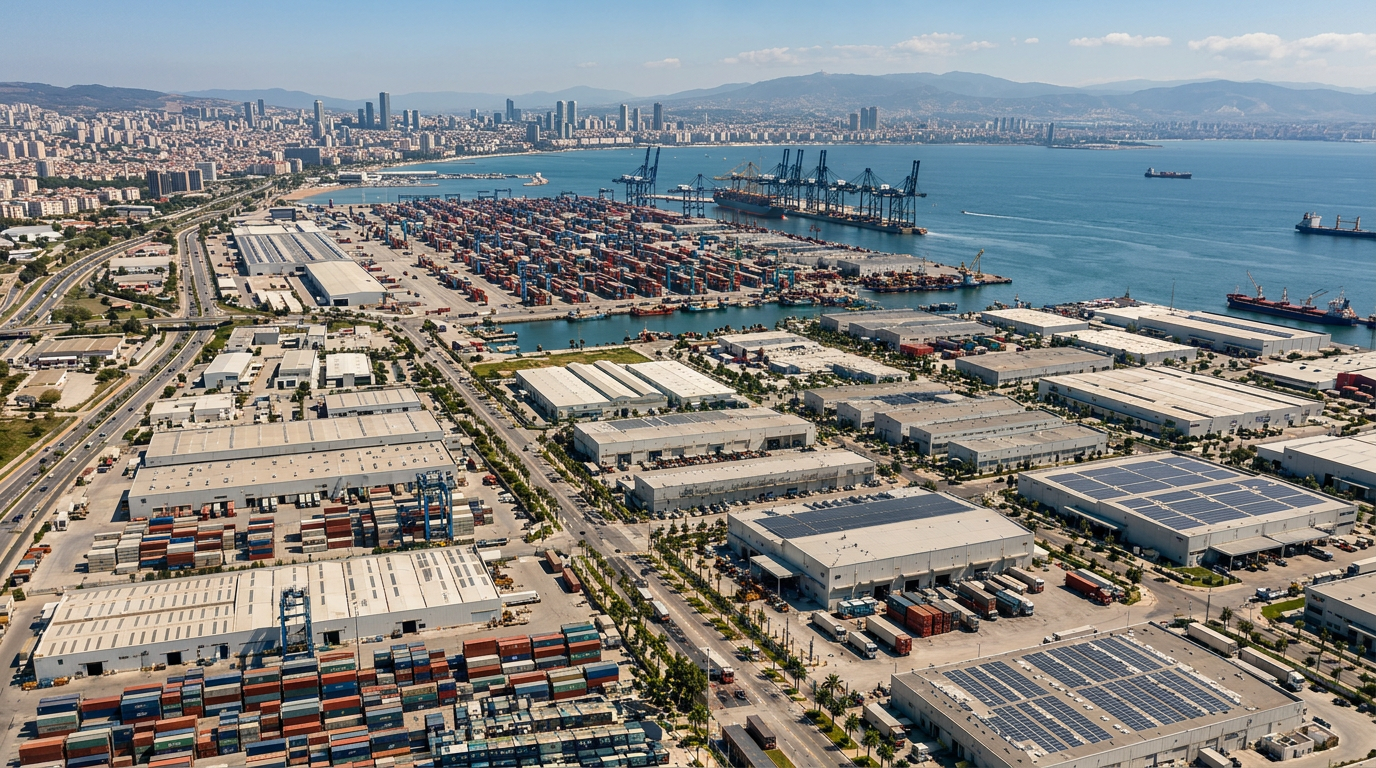
Governments use free zones to attract companies with easier customs procedures, tax advantages and dedicated infrastructure. For companies, this can reduce costs and make importing, manufacturing and exporting easier. For governments, the expectation is that these zones will create jobs, increase exports and support the development of new industries.
But attracting companies is one thing. Building connections between those companies and the rest of the economy is another.
A manufacturer can import most of its components, produce inside a free zone and export the finished product. The country still benefits from jobs and economic activity, but local businesses may capture only a limited share of the investment.
The impact can be much greater when companies begin sourcing locally. Domestic businesses can become suppliers, workers can develop new skills, and industries can emerge around the original investment.
Some free zones have developed into much larger ecosystems. Jebel Ali in Dubai has grown into a major logistics and business hub built around its connection to one of the region's largest ports. Around Tanger Med, industrial zones have developed alongside Morocco's automotive and aerospace industries, attracting manufacturers as well as suppliers.
These examples also show that incentives alone are not enough. Infrastructure, access to international markets, reliable logistics, skilled workers and a strong business environment all influence whether a zone develops beyond simply hosting foreign companies.
This is why the success of a free zone shouldn't only be measured by how much foreign capital enters the country or how many companies establish operations there.
Local suppliers matter. So do jobs, skills, technology and the industries that develop around the zone.
A free zone can attract investment relatively quickly. Building an ecosystem around that investment takes much longer.
Attracting the investment is one thing. Making it part of the local economy is the harder part.
Want to discuss what this means for your organization?
Get in touch